
November 2024
Biocontrol ‘pasta’ pellet slugs it out with slugs
This article is the fourth in a series providing case studies of biocontrol products that are on the market or under development in Europe.
Biocontrol uses substances, technologies or mechanisms derived from nature to control insect pests, diseases and weeds in agriculture and forestry. Biocontrol products generally fall into the following categories, depending on the “active ingredient” of each:
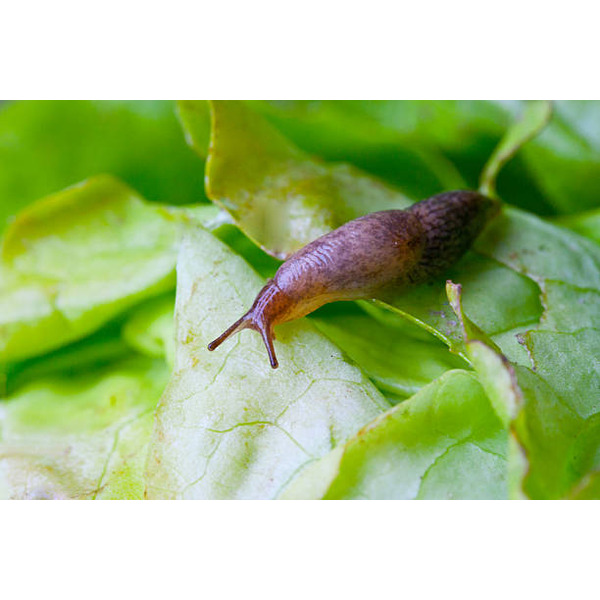
In heavy clay soils, common in the United Kingdom, slugs are a major issue, especially in wet years. They pose a constant threat to high-value crops, potentially causing significant economic damage. Rapeseed is the most susceptible, followed by vegetable and horticultural crops.
Historically, many farmers relied on the conventional pesticides methiocarb and later metaldehyde, but both were banned in the UK and EU due to concerns over their environmental impact and presence in untreated water supplies. Now ferric phosphate-based pellets are used for slug control instead. The pellets are less messy than their predecessors because slugs retreat underground before dying,
A new ferric phosphate-based slug pellet is made from 100 percent durum wheat flour and slow-baked to resist cracking and moisture so that it remains durable in wet conditions. The formulation of this biocontrol product includes a food-grade anti-mould agent to ensure palatability and a chelating agent to enhance its effectiveness.
Compared to many metaldehyde products that tended to break down quickly, the biocontrol “pasta” pellet has shown greater durability in the field, remaining visible and effective even after significant rainfall. This product offer growers an environment-friendly option for slug control, helping to protect crops, the environment and human health.